
Home / Sourcing
Sourcing and sustainability
Quick answer
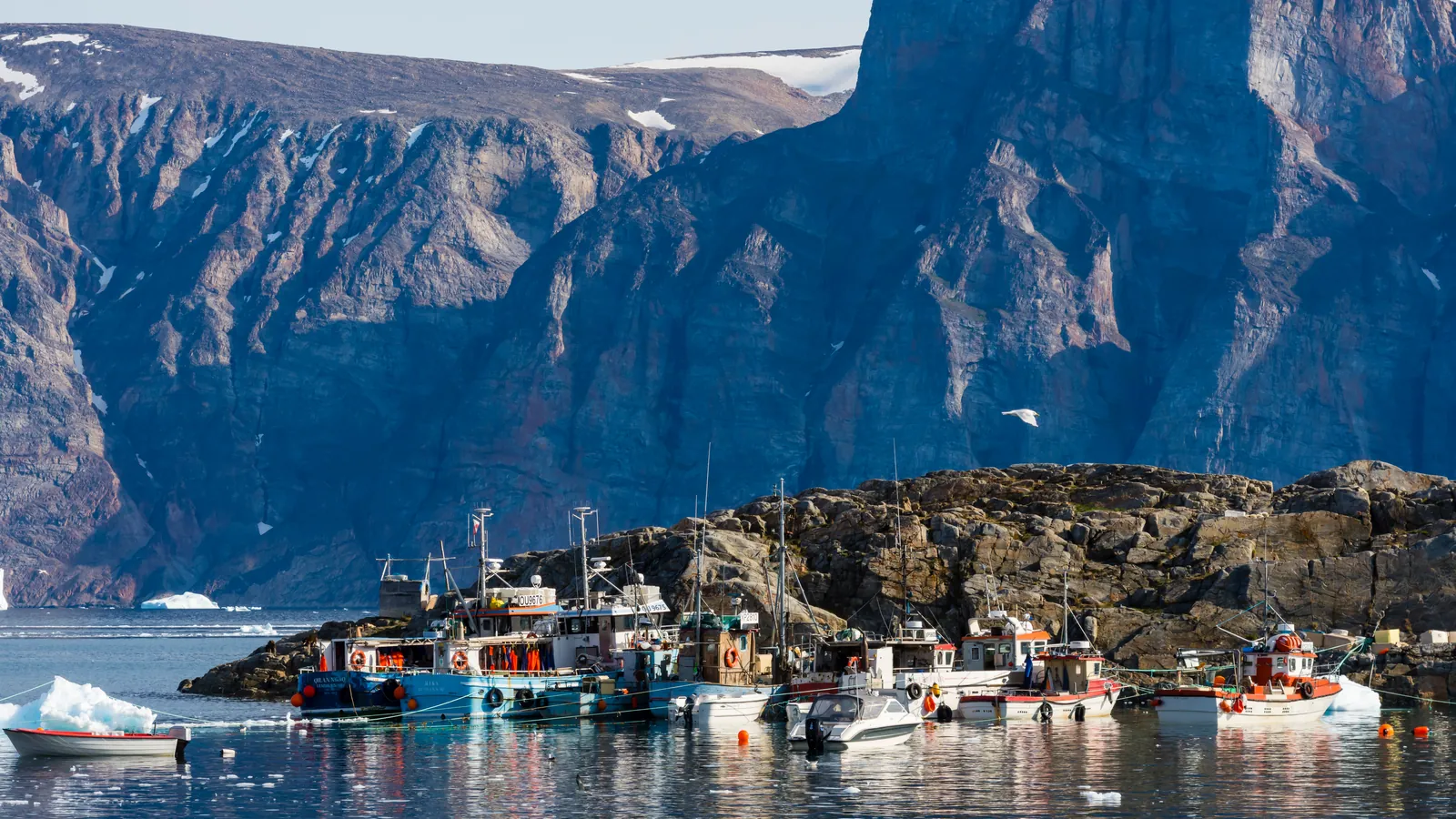
We make collagen from the skeleton of wild-caught North Atlantic cod, left over after filleting. Our development material is caught in the Northwest Atlantic (FAO area 21), landed in Greenland and processed in Denmark.
Updated
The sidestream
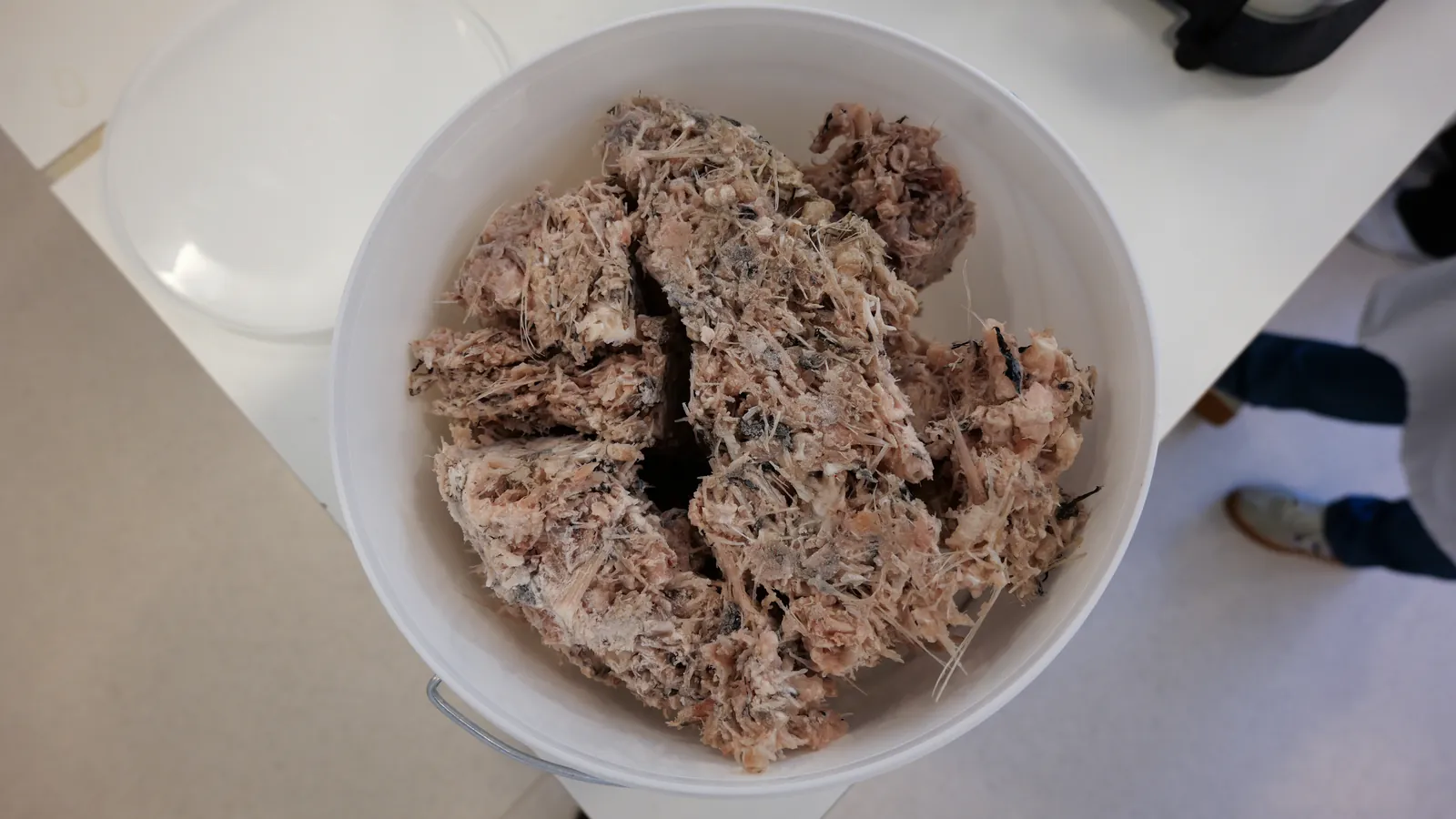
Filleting leaves backbones, frames, heads and other parts behind. The backbone alone is about 15% of the whole fish by weight (Nofima, 2002). Today most of it is sold as low-value fishmeal or discarded. We turn it into a high-value ingredient for supplement and food brands.
Traceability
| Species | Atlantic cod, Gadus morhua |
|---|---|
| Wild or farmed | Wild-caught |
| Catch area | Northwest Atlantic, FAO area 21 |
| Landing | Greenland |
| Processing | Denmark |
| Lot trace | A lot code links each commercial lot to catch area and landing (planned) |
Certifications
We are working towards the certifications our partners need, including a food safety scheme such as FSSC 22000, and halal and kosher. If your range requires MSC-certified fish or another scheme, tell us early so we can plan supply around it.